
What is a Lathe Turret? | EMC, ISO 9001, and CE Certified Hydraulic Valves – CML’s Global Recognition
In 1981 Camel Precision Co.,Ltd was founded. The management of company fully awards of high quality products requires not only sophisticate machinery, But good knowledge in technology is also important as well. Company invited senior engineers from Germany and Japan to lead the manufacturing and training of local engineers in hydraulic industry. We offer our customers industrial pumps, solenoid directional control valves, hydraulic pumps, vane pumps, external gear pump, internal gear pump, directional valve, hydraulic valves...etc.
What is a Lathe Turret?
What is a lathe turret, and what role does it play in CNC lathe machining?
The turret is deeply intertwined with lathe operations, serving as the device, which is responsible for mounting and switching cutting tools. It is an indispensable component for machine tool operations.
Crucial to the lathe machining process, its primary mission is to provide secure tool clamping and facilitate rapid tool changes. A highly stable turret supports tool installation, automatic indexing, and motion control. Thanks to its precise, zero-drift positioning, it can rotate quickly and accurately to the designated tool slot. This significantly reduces non-cutting time during machining and enhances workpiece precision.
Types of Turrets
Turrets can be categorized into Hydraulic Turrets, Servo Turrets, and Power Turrets.
Hydraulic Turrets
Featuring a relatively straightforward design, these utilize hydraulic power to drive disk rotation, indexing, release, and clamping. They are highly durable, ideal for heavy-duty cutting, and offer a more budget-friendly equipment cost.
Servo Turrets
Driven by servo motors, these provide higher positioning accuracy and faster tool change speeds, making them exceptionally well-suited for high-precision machining applications.
Power Turrets (BMT & VDI)
These use dedicated servo motors to drive turret rotation and indexing, while the live tool axis is driven by the main spindle motor. They must work in tandem with C-axis, Y-axis, or sub-spindle configurations to achieve mill-turn multitasking capabilities. Due to their highly versatile functionality, complex parts can be completed on a single machine.
BMT Turret (Base Mount Turret): This turret uses multiple bolts combined with locating keys for rigid locking. Although tool changing is more time-consuming, it offers extreme rigidity and positioning accuracy, making it the top choice for heavy-duty cutting and precision machining.
VDI Turret (Verein Deutscher Ingenieur): Named after the standard interface established by the Association of German Engineers, this turret utilizes a single-bolt wedge-lock setup. While its rigidity is moderate, it offers rapid tool changes, making it ideal for high-mix, low-volume production applications that require frequent tool setups.
What is the Difference Between Lathe and Milling Machine Operations?
Excluding mill-turn multitasking machines that can complete both operations on a single platform, traditional lathes and milling machines operate on entirely different machining principles.
Lathe Machining: The workpiece itself rotates at high speed, while the cutting tool remains static and moves to cut the material.
Milling Machining: Conversely, the workpiece is fixed onto a worktable for axial feeding (without rotating itself). Instead, the cutting tool rotates at high speed to cut the raw material and shape it into the desired form.
Key Considerations When Selecting a Lathe Turret
Drive and Power Architecture (Power Source)
- Hydraulic Turrets: If your machining requirements primarily involve roughing and heavy-duty cutting of medium-to-large parts, and you have a limited budget, a hydraulic turret is a highly cost-effective choice due to its mature technology, high clamping force, and affordable price.
- Servo Turrets: If your operations involve complex processes, frequent tool changes, and a demand for high throughput, a servo-motor-driven turret is the preferred option.
Number of Tool Stations and Machining Processes
- Process Complexity: The more complex the workpiece, the more tools are required. This necessitates a turret with more tool slots to prevent the need for manual intervention and machine downtime for tool changes during machining.
- Interference Issues: Turrets with more tool slots generally have a larger diameter. It is important to ensure that no spatial interference occurs with internal machine components (such as the tailstock, chuck, or enclosures) during rotation and tool changes.
CML: Your Trusted Partner in Hydraulic Solutions
Although CML is not directly involved in tool manufacturing, we have been deeply rooted in the turret and machine tool application sectors for at least thirty years. Today, we have earned the trust of hundreds of renowned domestic and international turret, tool magazine, and cutting tool manufacturers.
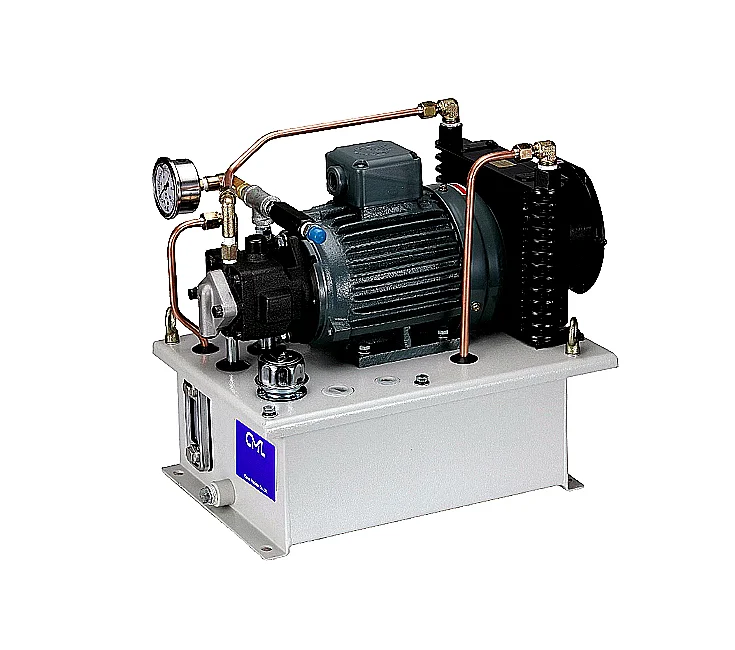
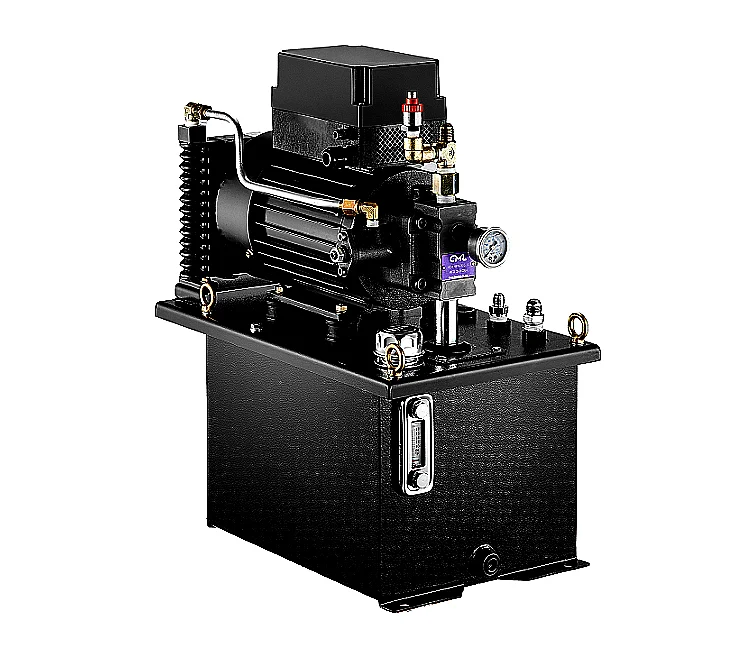
We offer a diverse range of specifications for solenoid valves and modular valves, ensuring smooth operating performance for turret and tool magazine systems while continuously injecting innovative hydraulic solutions into the machine tool industry. In response to the global wave of environmental sustainability, CML has launched energy-saving hydraulic systems such as the SPU and HPU. Moving forward, we will uphold the spirit of green innovation, continuing to dedicate ourselves to sustainability and environmental initiatives, and serving as the premier partner for the machine tool industry's transition to energy efficiency.
Related Products Offered by CML:
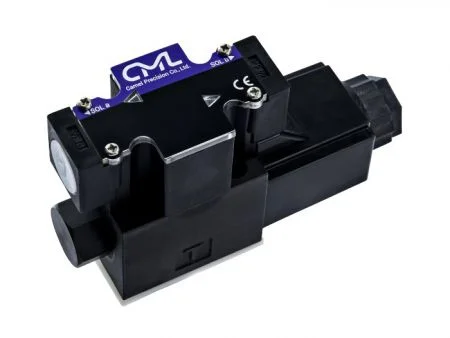
- Solenoid Valve Models: B2, D2, C2, C4
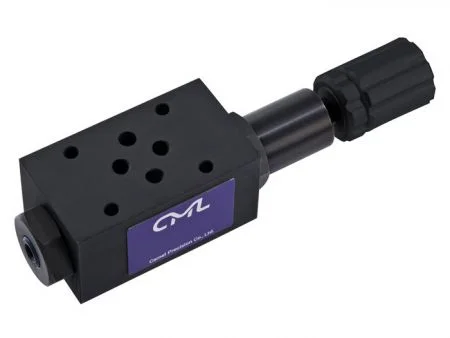
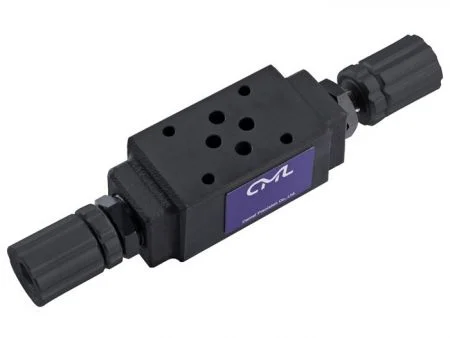
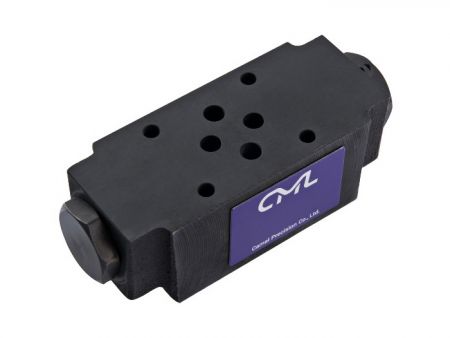
- Modular Valve Models: MBR, MTC, MPC
Key Advantages of CML Solenoid Valves:
- High pressure, large flow capacity, low noise, and exceptionally smooth switching action.
- Dual-flow channel design, low flow resistance, and excellent efficiency.
- Standard ISO dimensions for easy installation.
Key Advantages of CML Modular Valves:
- MBR: Ideal for systems requiring different pressures simultaneously across two (or more) hydraulic circuits with identical pressure demands.
- MTC: Features an integrated check valve function (also known as a one-way throttle valve). It provides one-way speed regulation and control at port A, port B, or both ports A/B, effectively preventing hydraulic oil backflow and pressure loss.
- MPC: Equipped with a guide hole inside, which can be opened by internal pressure when necessary, allowing hydraulic oil to return smoothly.
- Related Products
Popular Products
 Download
 What is a Lathe Turret? | CML: ISO 9001 & CE Certified Hydraulic Pump Manufacturer – Award-Winning Quality
Located in Taiwan since 1981, Camel Precision Co., Ltd. is a hydraulic pumps and hydraulic valves manufacturer in Machinery and Equipment Manufacturing Industry.
In 1981 Camel Precision Co.,Ltd was founded. The management of company fully awards of high quality products requires not only sophisticate machinery, But good knowledge in technology is also important as well. Company invited senior engineers from Germany and Japan to lead the manufacturing and training of local engineers in hydraulic industry. We offer our customers industrial pumps, solenoid directional control valves, hydraulic pumps, vane pumps, external gear pump, internal gear pump, directional valve, hydraulic valves...etc.
CML, Camel Hydraulic, Camel Precision has been offering customers high-quality Vane Pump, Variable Displacement Vane Pump, Internal Gear Pump, Eckerle Asia Agent, External Gear Pump, Solenoid Valve, Modular Valve, Pressure Reducing Valve, Flow Control Valve, Hydraulic Valve since 1981, both with advanced technology and 38 years of experience, CML, Camel Hydraulic, Camel Precision ensures each customer's demands are met.
Company Facts in Numbers
0
Years of industry experience
0
Number of clients served
0%
Customer repurchase rate